







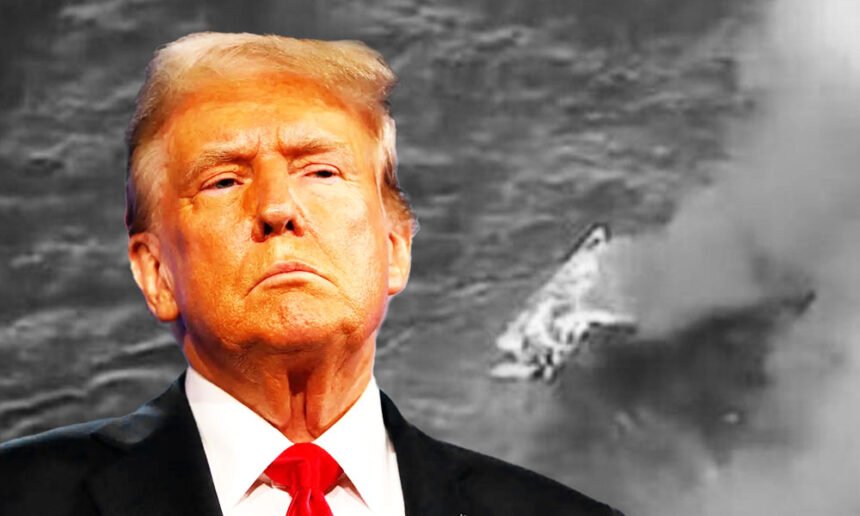
The U.N. human rights chief has delivered a rare and forceful condemnation of U.S. military strikes on boats in the Caribbean Sea and eastern Pacific Ocean, calling the attacks “unacceptable” and demanding an immediate halt.
Volker Türk, the U.N. High Commissioner for Human Rights, called for an investigation into the strikes, which appear to mark the first such criticism from a United Nations body.
“These attacks and their mounting human cost are unacceptable. The U.S. must halt such attacks and take all measures necessary to prevent the extrajudicial killing of people aboard these boats,” said Ravina Shamdasani, a spokeswoman for Türk’s office, during a regular U.N. briefing Friday.
Shamdasani also noted that Türk believes “airstrikes by the United States of America on boats in the Caribbean and in the Pacific violate international human rights law.”
The strikes have killed at least 61 people since early September. President Donald Trump has defended them as a necessary measure to stem the flow of drugs into the United States. Defense Secretary Pete Hegseth announced the latest strike Wednesday, targeting a boat in the eastern Pacific Ocean allegedly carrying drugs, killing all four people aboard. This marked the 14th strike in the U.S. campaign against drug traffickers.
Trump’s efforts to combat drug cartels have been divisive in the region, drawing criticism from neighboring countries and now scrutiny from human rights authorities.
Shamdasani stressed that while the U.S. frames the campaign as anti-drug and counter-terrorism, “countries have long agreed that the fight against illicit drug trafficking is a law-enforcement matter governed by ‘careful limits’ placed on the use of lethal force.”
She added that lethal force is permitted only as a last resort against someone representing “an imminent threat to life.” Otherwise, it “would amount to a violation of the right of life and constitute extrajudicial killings.”
The strikes are taking place “outside the context” of armed conflict or active hostilities, Shamdasani noted, raising serious questions about their legality and morality.