






Donald Trump’s return to the White House reportedly triggered something almost unthinkable among America’s closest allies.
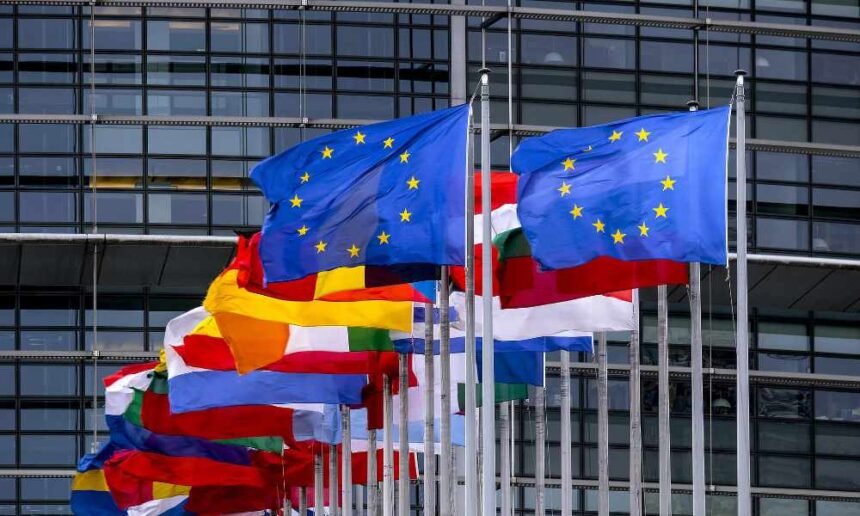
According to The Wall Street Journal, nearly 30 European leaders quietly gathered in Brussels in January 2025 for a secret emergency meeting to discuss how Europe might function if it could no longer rely on the United States.
The extraordinary meeting reportedly came after Trump suggested he could use military force to seize Greenland, the autonomous Danish territory that is part of NATO.
One official who attended described the gathering as feeling more like an imminent breakup than a traditional diplomatic summit, the Journal reports.
Leaders reportedly discussed a future in which Europe would have to prepare for a much weaker American commitment to NATO and the continent’s defense.
The report also reveals the remarkable lengths European officials allegedly went to in order to manage Trump’s unpredictable style.
At the center of that effort was NATO Secretary General Mark Rutte, who reportedly earned the nickname “the Trump whisperer.”
According to the Journal, Rutte encouraged fellow leaders to shower Trump with praise, frame European defense spending increases as personal victories for the president, and even imitate his communication style.
That strategy reportedly became known as “flattery diplomacy.”
Some leaders allegedly began workshopping text messages before sending them to Trump, debating which words should appear in ALL CAPS to mirror the president’s own style.
Others reportedly adjusted their language altogether.
Instead of describing efforts to end Russia’s war in Ukraine as a ceasefire, they began using Trump’s preferred phrase, “stop the killing.” European Commission President Ursula von der Leyen reportedly even started referring to sanctions as “tariffs” because that language resonated more with Trump.
The report paints a remarkable picture of allies quietly preparing for the possibility that the transatlantic relationship they had relied upon for decades could fundamentally change under Trump’s second presidency.